Tabla de contenidos
- At Human Level, we gathered our clients in Madrid to present the evolution of our online findability methodology in the era of artificial intelligence
Last Friday, March 12, we held a private event with our clients where we shared how our methodology has evolved to ensure companies remain visible in a search ecosystem that no longer depends exclusively on Google.
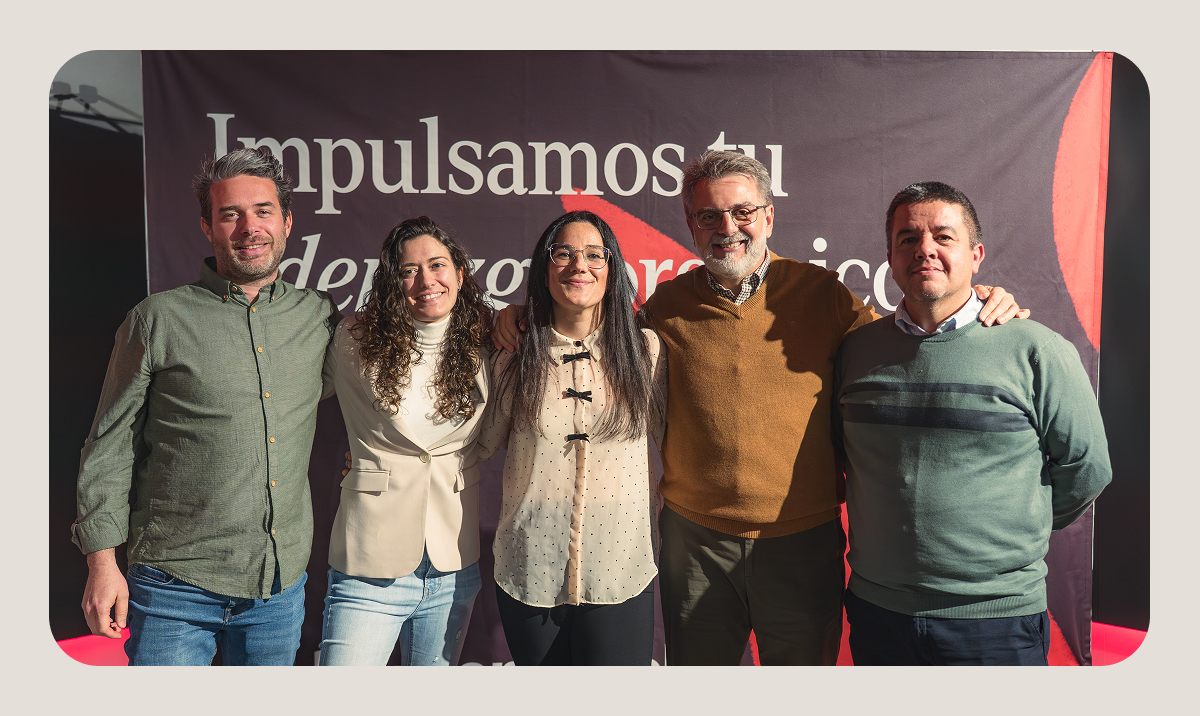
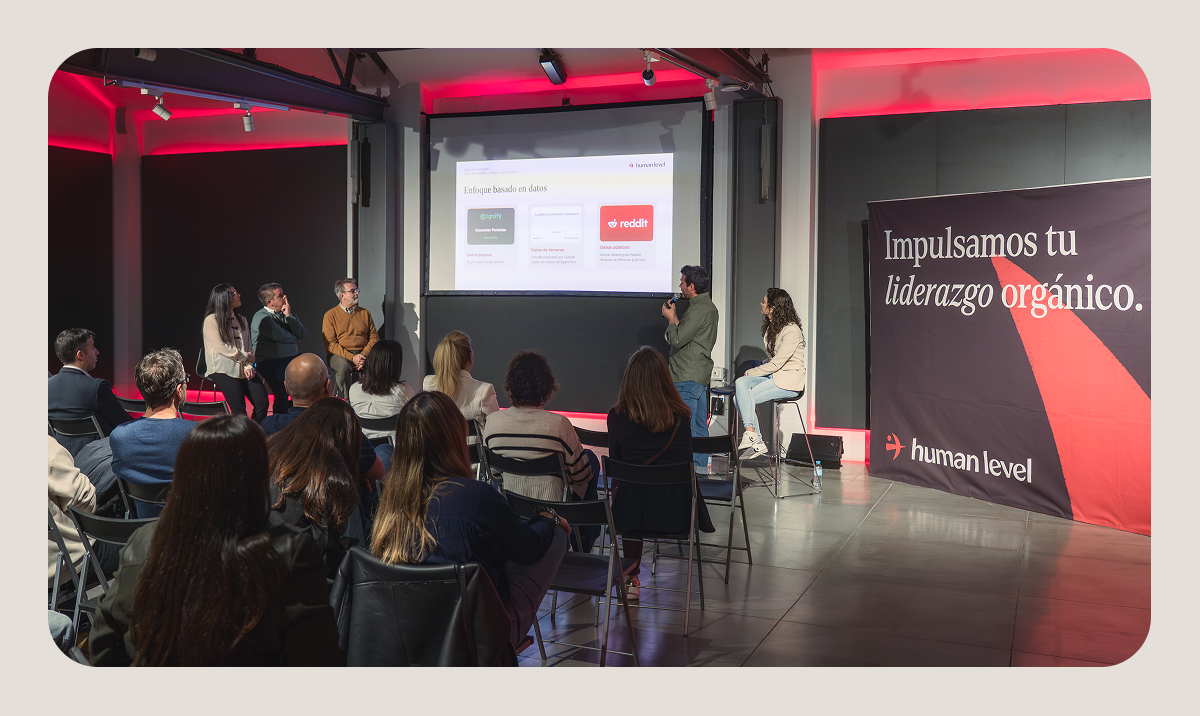
Under the title “From Positioning to Organic Leadership: Acquisition Strategies in 2026”, Human Level brought together more than twenty clients at Espacio Unonueve in Madrid. The starting point: the widespread concern among digital marketing teams regarding the rapid changes in user search habits and the multiplication of platforms where competing for visibility is now essential: search engines, AI platforms, aggregators and marketplaces, social networks…
The end of the ten-links paradigm
Fernando Maciá, CEO and founder of Human Level, opened the session by explaining the paradigm shift underlying this phenomenon. Online search is no longer concentrated on a results page with ten blue links; instead, it expands to social networks, marketplaces, and platforms that generate a unique, personalized response. This poses a new question for companies: not just what position they appear in when someone searches for them by name, but in how many answers they are mentioned when a user asks a query related to their sector.
According to the data presented, AI search engines—ChatGPT, Gemini, Perplexity—still represent only 0.26% of referral traffic to websites, far behind Google, which generates 190 times more traffic than ChatGPT. However, their role as a source of influence on user decision-making is growing and, unlike organic traffic, is difficult to monitor: 70% of AI-generated summaries change between queries, and the average result only remains stable for 2.15 days.
How LLMs work and why mentions matter
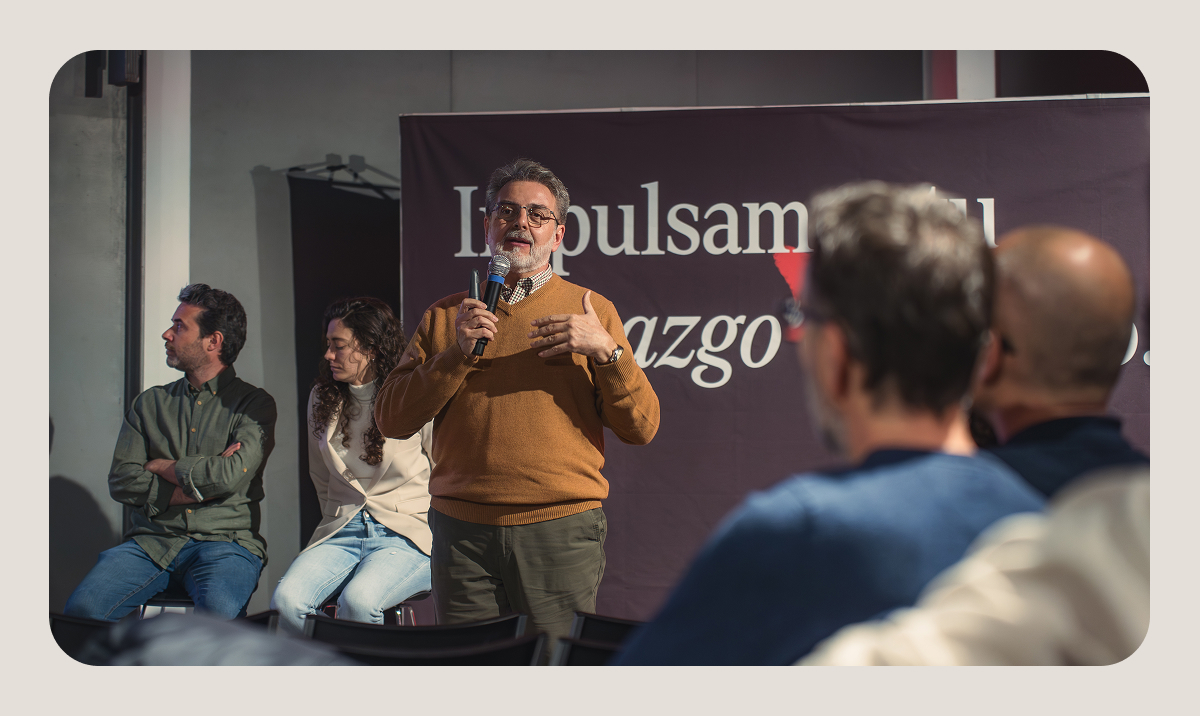
José Emeterio Vicente, Head of R&D at Human Level, explained the technical inner workings of LLMs to contextualize the strategic challenge. Unlike Google, which builds authority based on links pointing to a site, LLMs learn semantic associations from mentions: if a brand consistently appears alongside concepts such as quality, innovation, or leadership across various internet sources, the model learns that association. This turns presence in media, forums, comparison sites, and third-party platforms into an authority factor in its own right, regardless of the traffic it generates.
Jose also explained how RAG functionality—Retrieval-Augmented Generation—works, allowing these systems to combine their training knowledge with updated sources to build more precise answers and reduce information errors. Tied to this, he introduced the concept of query fan-out: when a query is sufficiently complex, the system doesn’t perform a single search; instead, it automatically breaks it down into several simultaneous sub-queries, which it then synthesizes into a single response. This implies that a brand may be mentioned—or ignored—in synthetic searches that will never appear in any keyword report and are practically impossible to anticipate without a prior analysis of audiences and their real intentions.
A methodology for the new ecosystem
María Navarro, Head of SEO/GEO at Human Level, presented how the methodology applied by the consultancy to operate in this environment has evolved. The approach starts with audience research, which is no longer limited to keyword analysis, but incorporates the identification of prompts that different user profiles might pose to AI assistants.
From there, the methodology moves toward auditing digital assets—both owned and external—and designing a strategic findability plan that simultaneously works on the technical foundation, thematic relevance, and authority development within the ecosystem. María emphasized that measurement has also changed: traffic and rankings are necessary but insufficient indicators, and the Human Level dashboard now incorporates metrics for presence in AI responses, brand citations, sessions originating from AI platforms, and conversions assisted by organic channels.
Enterprise Case Studies
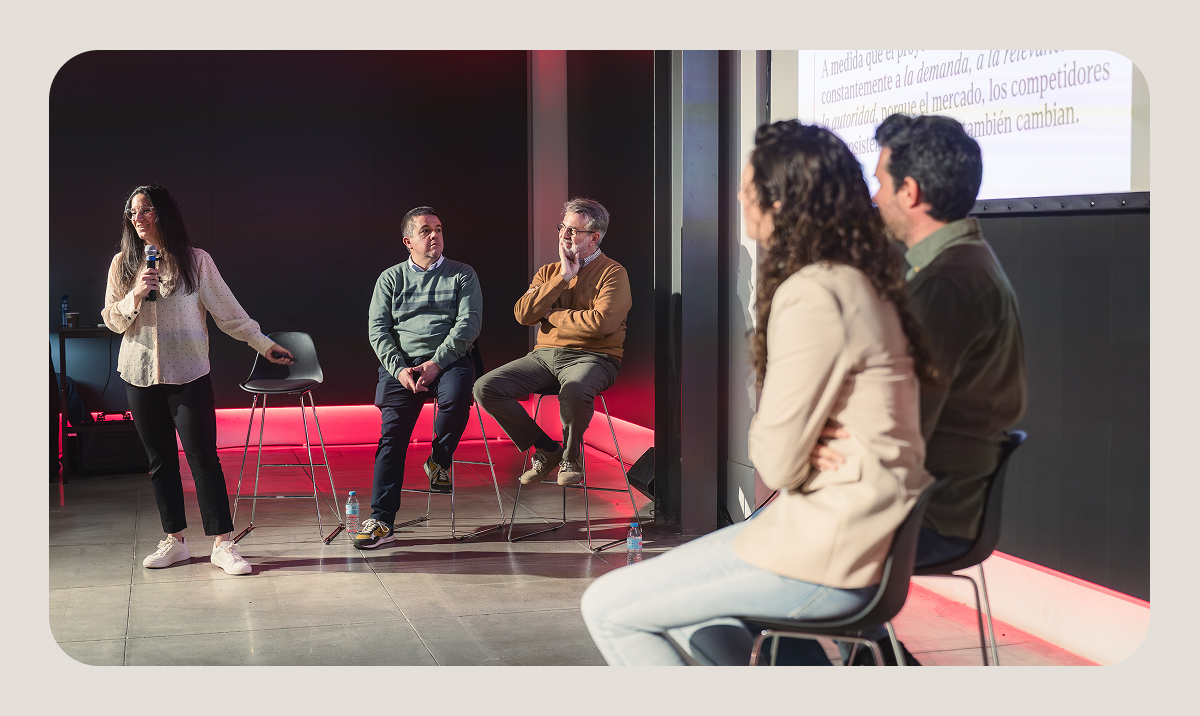
The practical application of this methodology for our clients was analyzed through two Enterprise benchmarks:
Philips Hue: searcher personas and content gaps
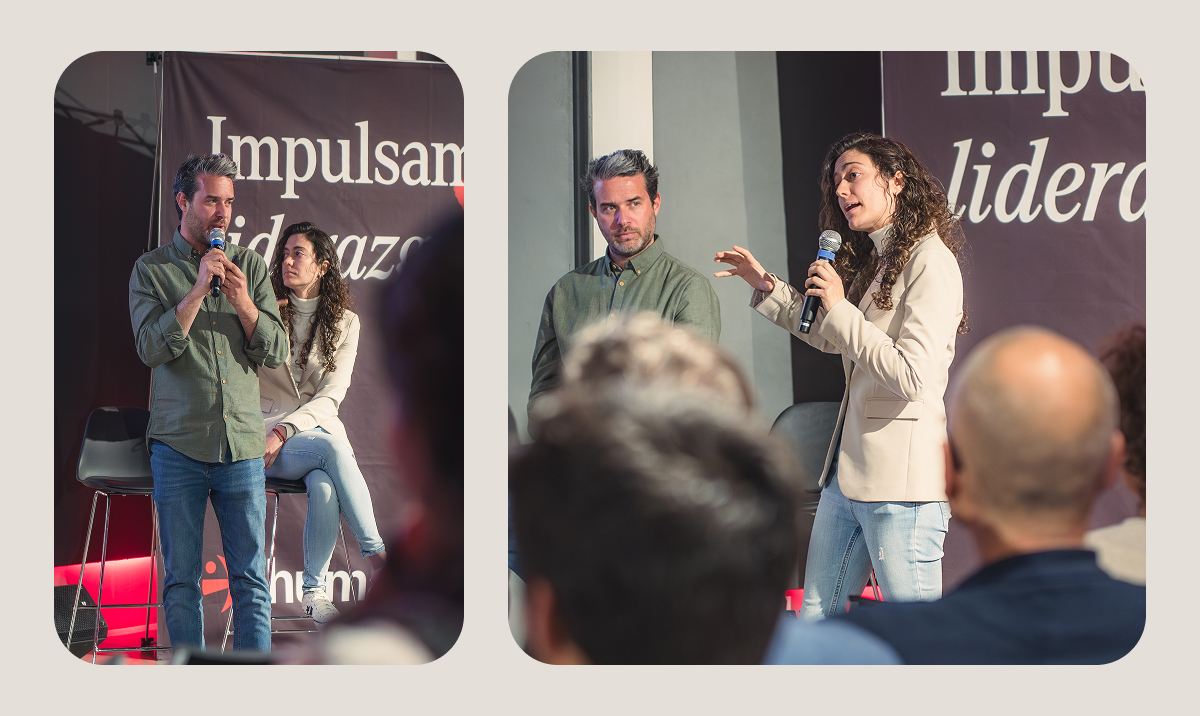
SEO consultant Paolo Gorgazzi presented the Philips Hue case. Developed for the US market, the project starts by building distinct searcher personas—from home cinema enthusiasts to interior designers or professional gamers—and identifies the content gaps for each that the brand is not currently covering, the specific prompts that profile would ask an AI assistant, and the most suitable content formats to close that gap and consolidate the brand’s semantic authority.
Banco Santander: digital asset audit
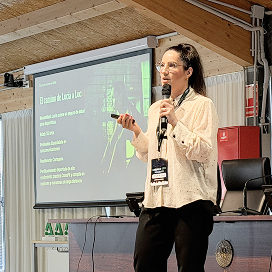
Laura Fernández, SEO consultant, presented the Banco Santander case as a practical digital asset audit exercise. The analysis addressed both external media—presence in news outlets, comparison sites, and forums where LLMs extract information to inform purchase decisions—and owned media, including the blog, tools, and calculators, and content that currently remains hidden from search engines and AI platforms.
The case illustrates how a significant portion of the knowledge a brand generates is not being leveraged as a findability asset, either because it is not technically crawlable or because it does not align with the real search intent of its audiences.
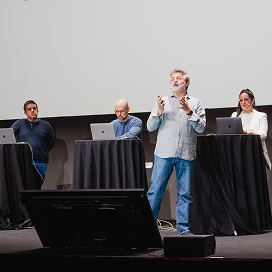
The session concluded with questions from attendees, followed by a cocktail hour that encouraged further conversation in a more relaxed setting.

Human Level, part of the change
At Human Level, we are aware that this paradigm shift is not a trend to be observed, but a field in which we are already operating. We have been adapting our methodology for months, incorporating new AI visibility indicators into our dashboards, developing searcher persona analysis frameworks oriented toward prompts, and building findability strategies that go beyond Google positioning. The Philips Hue and Banco Santander cases presented at this event are real examples of this ongoing work.
If you want your company to be found wherever its customers search—in search engines, on AI platforms, or in any other channel where purchase decisions are documented—at Human Level, we can help you build that presence strategically and measurably.